
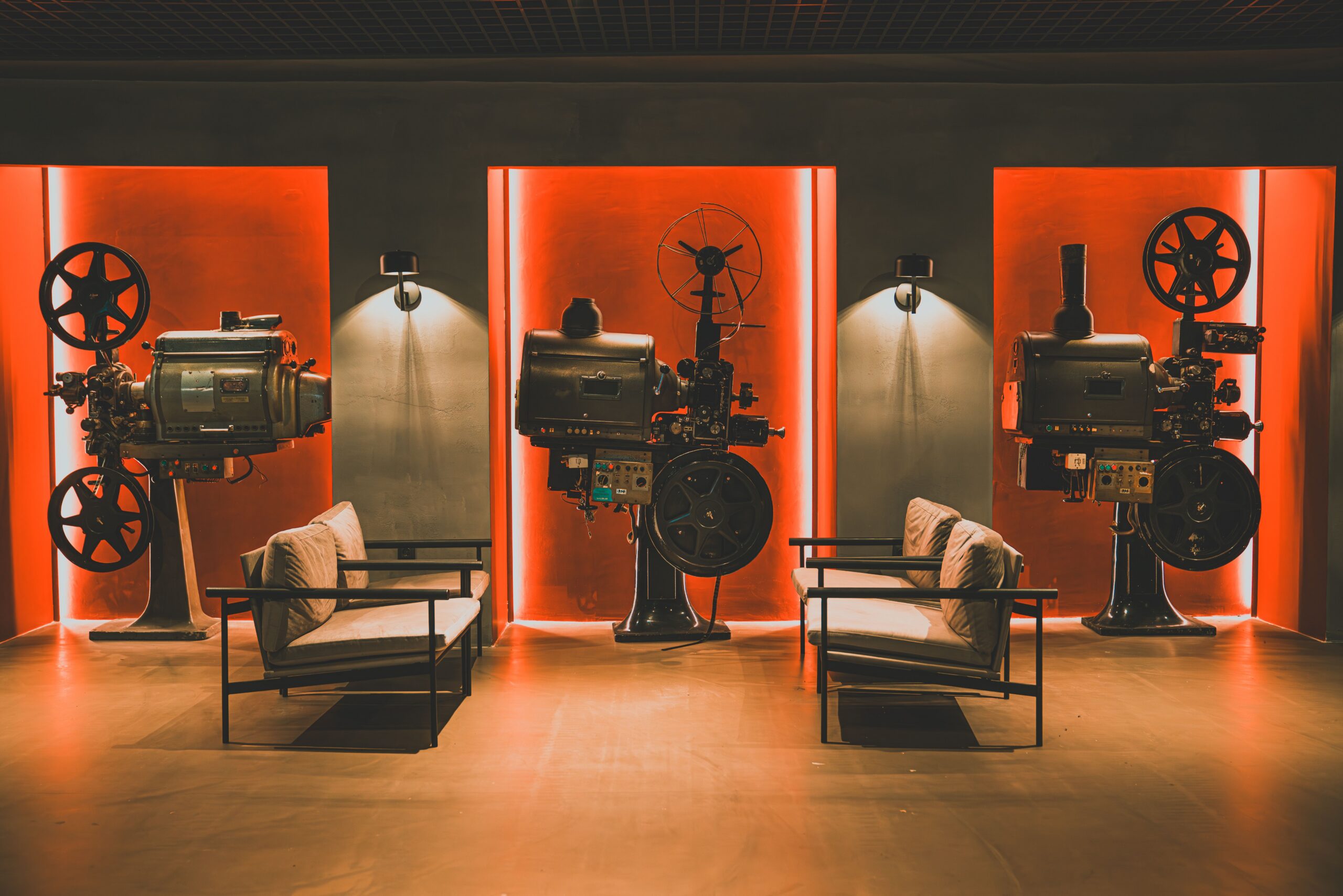
The Analog Comeback Is a Theatrical Opportunity

Edited by Rachael Garel
In recent years, the entertainment industry has treated convenience as the ultimate goal. It’s all about more content, faster access, and fewer steps between deciding to watch something and pressing play.
But a growing number of consumers are beginning to seek out experiences that ask a little more of them.
Vinyl records have now posted 19 consecutive years of growth in the United States. Younger consumers are buying CDs, DVDs and printed books. Film cameras, photo booths, handwritten journals, craft nights, and deliberately limited “dumb phones” have all found new advocates. Even as streaming continues to dominate music and home entertainment, physical media is showing a surprising amount of staying power.
It is easy to dismiss this as nostalgia, but that does not fully explain what is happening. Many of the people driving the trend aren’t old enough to remember when these products were the norm. They are not returning to a previous way of life. They are discovering one that feels more intentional than the endless digital feed they grew up with.
This trend is fantastic news for movie theaters.
Analog Is About More Than Old Technology
The appeal of analog is not simply that something is old, imperfect or printed on paper. It is that the experience feels physical, specific and chosen.
Playing a record requires selecting an album, placing it on a turntable and listening in sequence. Taking a photograph on film means accepting that the picture cannot immediately be reviewed, edited and posted. Buying a DVD provides something that cannot disappear when a streaming agreement changes. And don’t forget about the visceral joy that comes from smelling an old book.
These experiences require participation. They create anticipation, and they leave behind an object, a memory or a story.
Moviegoing already offers many of the same qualities, particularly for younger audiences seeking tangible, shared experiences that streaming cannot provide. A guest has to choose a film and showtime, leave home, enter a shared space and give the movie their attention. No one can pause the film to check a text or wander into another room and, hopefully, no one is zoning out next to you on TikTok instead of watching along. Everyone in the auditorium experiences the same story at the same time.
Even when the projection is digital, the experience itself is physical.
The industry does not need to invent a new behavior to reach the analog audience. It needs to recognize that moviegoing already provides much of what this audience is looking for and become more deliberate about presenting it that way.
The Odyssey Turned a Format Into an Event
The demand for Christopher Nolan’s The Odyssey is one of the best recent examples of how strongly audiences can respond when the way a movie is presented becomes part of the attraction.
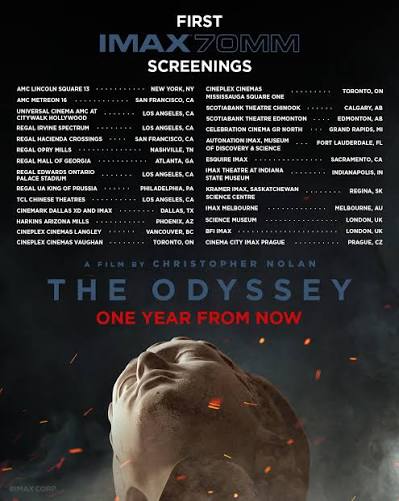
In July 2025, tickets for a limited number of opening-weekend IMAX 70mm screenings went on sale a full year before the movie’s release. Many of those screenings sold out almost immediately. When the larger round of advance sales opened in June 2026, demand created lengthy online queues and overwhelmed major ticketing platforms. Premium seats quickly appeared on resale sites at many times their original price.
There are several reasons for that level of excitement. Nolan has built an unusually loyal audience. The cast includes several major stars, and the filmmakers shot The Odyssey entirely with IMAX film cameras, making it the first theatrical feature to do so. The limited number of theaters capable of showing IMAX 70mm also creates real scarcity.
Still, audiences are not merely buying tickets to see the story. They are buying tickets to see a particular version of the story in a particular place.
That same behavior appeared during the 10th-anniversary rerelease of Interstellar. The film earned $4.5 million from just 166 North American screens, while its limited IMAX 70mm presentations sold out within minutes. Some theaters added late-night and early-morning screenings to meet demand.
Most theaters will never have access to IMAX 70mm, and this is not an argument that every operator should invest in film projection. The larger lesson is that audiences will plan ahead, travel and pay a premium when a screening feels specific and difficult to reproduce at home.
Sell the Experience, Not Just the Movie
Too much theatrical marketing stops at the title, showtime and poster. That information is necessary, but it does not always answer the question audiences are really asking: Why should I see this here?
The answer could be a film print, a restored presentation, an original aspect ratio, upgraded sound or a premium auditorium. It could also be an introduction from a local film professor, a themed preshow, a filmmaker discussion, an anniversary celebration, or a double feature that gives the movie additional context.
Theaters can still present a standard digital screening with care. A theater can talk about the size of the screen, the quality of the sound, the history of the building or the feeling of watching the film with an audience. It can show guests the preparation happening behind the scenes and introduce the people who make the experience possible.
The goal is not to make every screening elaborate. It is to stop treating presentation as invisible.
When audiences understand what the theater has selected, prepared or preserved for them, the screening feels less like access to content and more like an event.
Give the Audience Something to Keep
The growth of vinyl and physical media also shows the appeal of ownership. People like having something that represents what they watched, heard or experienced.
Movie theaters can tap into that impulse without building an expensive merchandise operation. A custom ticket stub, postcard, miniature program, stamped loyalty card or printed schedule can give the night a physical afterlife. A photo booth, lobby display or well-designed marquee can provide a natural place to document the visit.
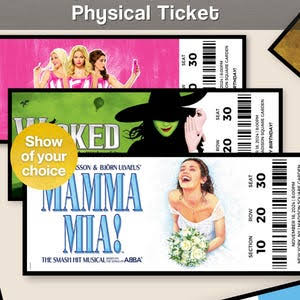
These items can be simple. Their connection to a specific theater, date or screening often gives them more value than the amount spent producing them.
They also give guests something they can share online without making the entire experience feel designed around social media. A photograph of a ticket, marquee or lobby display becomes proof that the person was there. The digital post records a real-world experience instead of replacing it.
For independent theaters, that local connection can be especially valuable. A keepsake from a neighborhood cinema carries a different feeling than a piece of mass-produced studio merchandise. It connects the movie to the place where it was seen.
Program for Discovery, Not Just Nostalgia
Repertory programming is sometimes treated as a way to bring older audiences back to films they already love. The analog trend is presenting a much broader opportunity.
Younger moviegoers are discovering films from decades before they were born. To them, a 1970s thriller, an ’80s comedy or a ’90s cult film may be new theatrical content. They may have heard about it through Letterboxd, TikTok, a director interview, a physical-media release or another filmmaker’s recommendation. This opens the path to new marketing angles.
Instead of relying only on anniversary language or memories of the original release, theaters can introduce repertory titles as discoveries. A filmmaker series can show the path that led to a current release. A “shot on film” program can connect the interest in celluloid to accessible titles. A book-to-screen series can involve a local bookstore or library. Staff picks can give audiences a trusted guide through films they might otherwise scroll past.
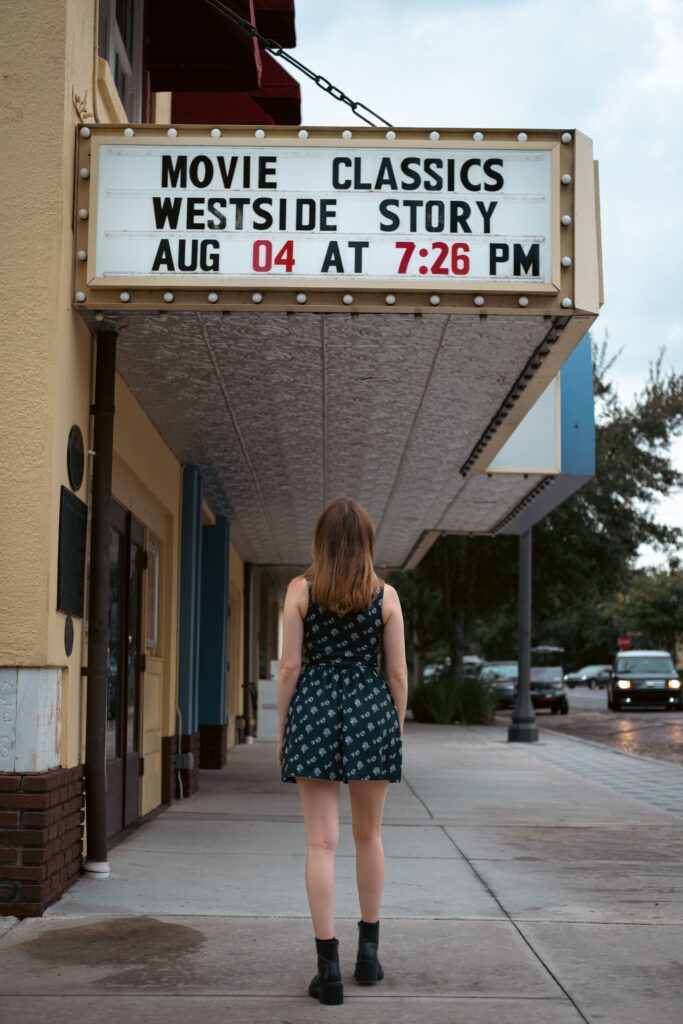
The strongest programs give guests a reason to follow the theater, not only the individual movie. That requires programming decisions shaped by audience behavior and emerging demand, not simply a list of familiar classics. Over time, the theater becomes a curator and a source of discovery rather than simply the place showing whatever opens that week.
Use Digital Marketing to Lead People Offline
The analog audience is not necessarily anti-digital. The same person carrying a film camera may discover the next camera through TikTok. Someone buying vinyl may stream an artist before purchasing the record. Moviegoers who want a few hours away from their phones are still likely to find showtimes online. Trailers, movie clips and posters remain useful, but theaters also have an opportunity to show the physical side of moviegoing.
That could mean filming an employee changing the marquee, preparing the auditorium, discussing a projection format or creating a limited menu item. Staff members can also explain why they chose a repertory title or show a new poster or display arriving at the theater.
This content does not need to look like a national advertising campaign. In fact, the appeal often comes from seeing a real place and the real people preparing for a specific audience.
Digital platforms should create anticipation for the offline experience. They should make someone feel that something is about to happen at the theater and that being there will be more rewarding than watching the event pass through their feed.
Authenticity Has to Come First
There will be a temptation to treat analog as an aesthetic. Add film grain to a social post, use a vintage font and call the event retro.
That may attract some initial attention, but the audience is responding to more than a visual style. The appeal comes from care, intention, scarcity, craftsmanship and human involvement.
For example a theater using digital projection, should never imply that it is showing the movie on film. If an event is described as limited, there should be a genuine reason it cannot simply be repeated every week. Likewise, if a theater promotes the history of its building, that history should be connected to the guest experience rather than used as decoration.
The strongest approach is usually the simplest one: tell audiences what is special about the screening, show them the work behind it and deliver what was promised.
Theaters Are Already Built for This Moment
The analog comeback is not a demand to move backward. It is a reminder that convenience is not the only thing audiences value. They also value anticipation, craft, ownership, shared memory and experiences that cannot be reduced to another piece of content in an endless feed.
The Odyssey is an extreme example, but the signal is clear. Audiences are willing to plan, wait, travel and pay more when a moviegoing experience feels specific and difficult to replace at home.
Independent theaters may not have IMAX 70mm, but streaming cannot reproduce what they offer: a real location, a local identity, a room filled with other people and the ability to turn an ordinary screening into a night someone remembers.
For independent exhibitors, capturing the analog audience starts with thoughtful programming that combines new releases, classics, limited runs and event content. It means selling more than access to the movie and showing people why being there is part of the experience.