

How Obsession and The Backrooms Reveal the High Stakes of Professional Film Programming

Edited by Rachael Garel
The summer movie season is one of the most competitive periods of the year for exhibitors. Every week brings new studio releases, holdover films fighting for screens, alternative content opportunities, premium-format decisions, and local market considerations that can shift faster than expected. In an environment this crowded, programming decisions can make the difference between a strong summer and leaving revenue on the table.
Successful theater owners understand that programming cannot be based only on personal taste. It has to be based on what audiences are showing they are willing to buy tickets for.
That is what makes professional film programming so vital.
Why Tracking Matters
A professional film programmer spends every day evaluating industry tracking, presales, social engagement, audience awareness, demographic trends, comparable titles, and market-specific demand. The goal is not just to react after weekend numbers come in. The goal is to identify opportunities before they become obvious.
This summer has already provided two strong examples.
Obsession
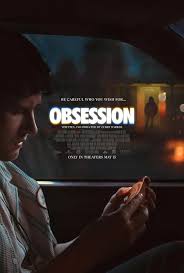
Few people expected Obsession to become the breakout horror success that it has. Early industry tracking pointed to a smaller opening, but audience demand quickly proved stronger as the film opened to more than $17 million domestically and demonstrated exceptional word-of-mouth and engagement. Professional programmers recognized early that the film was outperforming expectations and adjusted screen allocations accordingly, allowing theaters to capitalize on demand while competitors were slower to react.
Backrooms

The other major example is Backrooms. Long before opening weekend, the film showed signs of becoming something special. Presales, social engagement, online awareness, and interest from younger moviegoers suggested this was not just another horror release.
The result was an opening weekend exceeding $80 million domestically and setting a new opening-weekend record for A24. Boxoffice Pro reported that Backrooms opened to $81.45 million from 3,442 screens, with a $118 million global total. Professional film buyers who followed the tracking and committed screens early positioned their clients to benefit from one of the biggest surprises of 2026.
The film also showed the strength of younger moviegoers, with Boxoffice Pro reporting that 86% of ticket buyers were under 35, two-thirds were under 25, and 44% were under 21. For programmers, that audience profile is part of the story: demand can build quickly when online communities and genre fans are driving awareness.
The Summer Schedule Is Loaded
For theater owners, the challenge is not finding enough content. The challenge is deciding how to allocate screens each week.
Every Friday brings difficult questions:
- How many screens should stay on a strong holdover?
- Is a new release being overestimated or underestimated?
- Should premium formats remain on the current title or move to a new opening?
- Is there alternative content that can generate incremental revenue during slower periods?
- Which films are likely to expand based on audience response?
A theater owner managing operations, staffing, concessions, marketing, maintenance, and customer service does not always have the time to track every title at the level required to maximize weekly results.
That is what makes professional film programming so vital.
Film Programming Goes Beyond Booking Movies
A professional film buyer understands:
- Studio relationships and release strategies.
- Market-specific audience behavior.
- Social and digital trends influencing attendance.
- Historical performance of comparable titles.
- Film rental structures and financial implications.
- Alternative content opportunities.
- Competitive activity within the marketplace.
Just as importantly, they know when conventional wisdom may be wrong.
Many exhibitors entered the summer focused on franchise titles, while younger audiences were showing strong interest in original horror concepts like Obsession and Backrooms. Those shifts often appear in the data before they show up in weekend box office reports.
The Goal Is to Maximize Revenue Each Week
The strongest theaters are not only trying to win one weekend. They are trying to make the right decisions every week of the year.
That requires constant evaluation of:
- Screen allocation.
- Showtime optimization.
- Holdover performance.
- New release potential.
- Alternative content opportunities.
- Local audience demand.
Theaters that consistently outperform their competition are not always doing so because they have better buildings. Often, they are making better programming decisions.
In today’s marketplace, audience tastes can shift quickly. A title can overperform because of social momentum, younger audience interest, or genre enthusiasm that may not be obvious at first glance. Professional film buying helps exhibitors respond to those shifts with more confidence and less guesswork.
At Western Film Services, our job is to stay ahead of the market so our clients can make smarter weekly programming decisions. Whether that means identifying the next breakout title, optimizing a crowded summer schedule, managing holdovers, or finding incremental revenue through alternative content, effective film buying remains one of the most important tools an exhibitor has.
In a summer this crowded, every screen counts.