
5 Essential Strategies for Independent Theaters to Boost Admissions

Edited by Rachael Garel
Understanding the Current Landscape for Independent Theaters
Independent theaters are operating in an unusual moment. Audience interest is clearly there, but attendance is less automatic than it once was.
Fandango’s 2026 Moviegoing Trends & Insights Study found that 76% of U.S. adults saw at least one movie in a theater in 2025. Younger audiences were even more active. Eighty-seven percent of Gen Z and 82% of Millennials went to the movies at least once, with the two groups averaging 7.0 and 7.2 theatrical visits respectively, compared with 5.3 visits across the full adult population.

Cinema United also reported that the number of habitual moviegoers, defined as people who attend at least six times a year, increased by 8% in 2025. Gen Z attendance rose from an average of 4.9 visits to 6.1, while new cinema loyalty subscriptions increased by 15%.
The audience has not disappeared. It has become more selective about what it sees, more deliberate about planning a night out and more aware of the value it receives in return.
For independent theaters, growing admissions is not simply a matter of waiting for the next blockbuster. It requires creating more reasons for local audiences to choose the theater, then giving them reasons to return.
1. Program With Purpose
A theater’s programming should reflect the audience it serves, not simply the films that happen to be available.
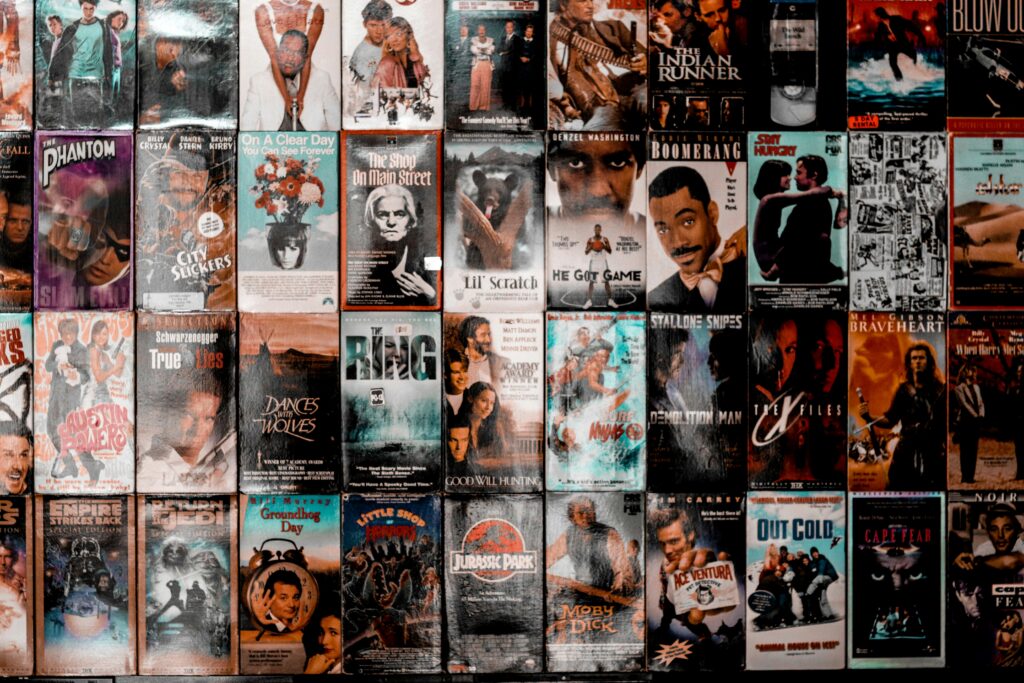
Getting that right requires more than looking at weekend grosses or filling open screens. Each booking decision is shaped by local performance, changing audience interest, the wider release calendar, distributor expectations and the opportunity cost of every auditorium and showtime. Holding a film too long, overlooking a promising title or placing the right film at the wrong time can all limit admissions.
The challenge is that those factors are constantly changing. Audience interest can shift quickly, release dates can move and a title that looked strong several weeks out may lose momentum before opening. At the same time, a smaller film can begin outperforming expectations and create an opportunity for theaters positioned to respond.
Experienced film buying brings a broader industry perspective to those decisions. It connects local audience knowledge with current market conditions, distributor relationships and an understanding of how each title fits into the theater’s overall calendar. That allows programming decisions to be made with a clearer view of both immediate performance and longer-term audience growth.
The work also continues after a film opens. Screen placement, showtimes and holdovers should remain responsive to actual performance rather than following a fixed plan. Making the right adjustment at the right time can preserve room for stronger opportunities while ensuring that films with continued demand are not moved too soon.
Programming should also give audiences a reason to return beyond any single release. A thoughtful mix of first-run films, specialty content and recurring programs can help a theater develop a recognizable identity. When that mix is integrated into the wider booking strategy, it can strengthen both attendance and the theater’s relationship with its community.
A strong program does more than fill screens. It gives audiences a clearer sense of what they can expect from the theater and more reasons to keep coming back.
2. Make the Theater Part of the Community
Independent theaters have an advantage that larger national brands often struggle to reproduce: they can become genuinely local.
Fandango also found that 92% of moviegoers prefer going to the movies with other people. Gen Z audiences are especially likely to attend with friends, while younger moviegoers frequently combine the theater visit with dining, drinks or another activity.
That creates a natural opening for community partnerships. A nearby restaurant can offer a same-night discount with a movie ticket. A school can help promote a family screening. A bookstore can participate in an adaptation series. A local business association can support a holiday event. Libraries, museums, senior organizations, colleges, nonprofit groups and local filmmakers can all bring established audiences into the theater.

The best partnerships are not simply sponsorship logos placed on a poster. Each participant should have a reason to promote the event to its own audience. That could mean a ticket-and-dinner package, a fundraiser, a guest speaker, a student showcase, a themed menu or an event connected to something already happening in the community.
Community engagement can also mean identifying audiences whose needs are not being fully served. Spotlight Theater in Warsaw, New York, developed sensory-friendly matinees for families with special needs and works with schools, organizations and local leaders to create programs around community needs. Cinema United credits the program with building substantial loyalty and appreciation for the theater.
A theater does not have to become everything to everyone. It does need to understand where it fits into the life of its town or neighborhood.
3. Market the Experience, Not Just the Movie
Posting a poster and a list of showtimes is not a marketing strategy.
Around 60% of moviegoers rely on social media as a primary source for discovering movies in theaters. YouTube, Facebook and Instagram were the leading platforms overall, while TikTok was especially influential with Gen Z. Trailers, clips, reviews and other video content generated the most excitement.

The theater’s marketing should answer three questions for every title:
Why should this audience care about the film?
Why should they see it at this theater?
Why should they make plans now?
For one movie, the hook may be the scale of the presentation. For another, it may be the director, the reviews, the nostalgia, the local connection or the chance to experience it with a particular community of fans. A staff recommendation, a quick video filmed in the lobby or a post explaining who the film is for can be more persuasive than another piece of generic studio artwork.
Different platforms should also do different jobs. Social media can create discovery and urgency. Email can convert existing interest into a planned visit. The theater’s website should make showtimes, pricing and ticket purchasing easy to understand. Paid advertising can reach a tightly defined local audience for titles with a clear demographic or interest-based appeal.
Email is especially useful because the theater owns the relationship. Instead of sending the same message to everyone, exhibitors can segment audiences by previous purchases or stated interests. Families may receive information about daytime shows and ticket bundles. Horror fans can hear about an upcoming late-night event. Repertory audiences can receive a monthly calendar. Loyalty members can receive advance notice before tickets are promoted publicly.
The booking calendar should support this marketing calendar. When a professional buyer provides advance visibility into likely titles, alternate options and possible scheduling changes, the theater can prepare more useful content rather than waiting until terms and showtimes are finalized at the last minute.
Good digital marketing does not require a constant stream of polished production. It requires consistency, a recognizable voice and a clear reason to act.
4. Turn More Screenings Into Events
Audiences can watch an enormous amount of content at home. The theater has to offer something the living room cannot.
That does not mean every independent theater needs a multimillion-dollar premium-format auditorium. Eventizing a screening can be as simple as adding an introduction, a filmmaker Q&A, trivia, a costume contest, a themed concession, a local speaker, a photo opportunity or a double feature. The purpose is to make the screening feel specific, social and limited.

Demand for enhanced experiences continues to grow. 84% of moviegoers attended at least one premium-format presentation in 2025, up from 71% in 2023. Research has also found strong interest in alternative programming such as sporting events, concert films, theatrical rereleases, television premieres and finales, and Broadway presentations.
Independent theaters can apply the same principle on a smaller scale. A classic film becomes more appealing when it is presented as a one-night anniversary event. A horror release can become a late-night gathering. A documentary can be paired with a local expert. A family film can include an activity in the lobby. A popular television finale can become a communal watch party.
These additions should feel connected to the audience and the film rather than added for the sake of having a theme. The strongest events build on interest that already exists and give fans a place to gather around it.
A standard showtime asks an audience to see a movie. An event gives them a reason to choose a particular night, invite other people and buy tickets before the opportunity passes.
5. Make It Easy to Return
Interest does not automatically become an admission. Friction can stop the sale at any point.
Showtimes should be easy to find on a phone. The purchase process should be short. Social posts and emails should lead directly to the relevant ticket page rather than forcing the customer to search for the title again. Advance schedules should be published early enough for groups and families to make plans.

Consistency can also reduce the planning burden. A family matinee held at the same time each weekend or a repertory series scheduled on the same night each month becomes easier to remember. The theater is not asking the customer to build a new habit from scratch every time.
Value offers should encourage another visit rather than simply reducing the price of one that was already going to happen. Discount days, ticket-and-concession bundles, family packages and partnerships with nearby restaurants can create a reason to attend sooner or more frequently.
Loyalty programs can help turn occasional customers into regulars. More than 90% of the frequent moviegoers belong to a free movie-related loyalty program, along with nearly 80% of casual moviegoers. The benefits audiences valued most were ticket rewards, concession rewards and the ability to track those rewards easily.
A smaller theater does not need an elaborate subscription platform. A straightforward points program, ticket bundle, concession reward or members’ club can work when the benefits are clear and achievable. The reward should feel close enough to influence the customer’s next decision, not like something they might earn several years from now.
The same principle applies to programming. A customer is more likely to return when the theater regularly offers films and experiences that feel relevant to them. Professional film buying supports that consistency by helping the theater maintain a balanced calendar instead of relying entirely on a few major releases.
Growing Admissions One Visit at a Time
There is no single promotion that will permanently solve attendance.
Admissions grow when programming, marketing, community outreach, operations and the guest experience all support the same goal. The right film has to be placed in the right auditorium, presented at the right time, marketed to the right audience and made easy to purchase.
And while it may be self serving to say, professional film buying gives theaters an indisputable edge. Theaters have clearer view of what is coming, how audience interest is developingm, and where each film fits into the larger calendar. It also gives owners an experienced advocate in distributor conversations and a partner who can manage the weekly decisions that directly affect screen performance.
Independent theaters may not be able to outspend the largest circuits, but they can know their audiences better, respond more quickly and create a more personal reason to return. With thoughtful programming and experienced film-buying support, that local knowledge becomes an even stronger competitive advantage.
At Western Film Services, we help independent exhibitors evaluate upcoming titles, build strategic programs, negotiate film terms and manage weekly runs with both performance and long-term audience growth in view. Learn more about our professional film buying and programming services or contact Western Film Services to discuss your theater.