

Why Independent Theaters Need a Professional Film Buyer

Edited by Rachael Garel
A More Complicated Marketplace for Theater Owners
Ten years ago, a film buyer’s primary challenge was deciding which movies to play.
That doesn’t mean the job was easy. Film buyers still had to evaluate releases, understand audiences, negotiate with distributors, and build schedules that maximized attendance. But the theatrical marketplace was more predictable than it is today.
The role of the professional film buyer has changed because the industry itself has changed.
Theatrical exhibition has recovered significantly since the pandemic, but the business has not returned to 2019 conditions. Domestic box office revenue reached approximately $8.9 billion in 2025, compared with $11.4 billion in 2019, which means exhibitors are still working to rebuild moviegoing habits and maximize the value of every admission.
At the same time, exhibitors have more programming options than ever before. Today’s film buyers evaluate studio releases alongside anime, faith-based films, documentaries, repertory screenings, concert films, alternative content, premium-format engagements, and specialty titles. More options create more opportunity, but they also require more discipline.
What a Film Buyer Actually Does
One of the biggest misconceptions about film buying is that the job revolves solely around choosing movies.
Movie selection matters, but the larger responsibility is managing inventory.
Every screen is a limited revenue opportunity. Every showtime is inventory that disappears once the performance begins. An empty auditorium on a Friday night represents revenue that cannot be recovered later.
For independent theaters, this is especially important. A twenty-screen multiplex has flexibility that a three-screen theater does not. When a theater operates with limited screens, every booking decision represents a larger share of the venue’s revenue potential.
A professional film buyer balances holdovers, future openings, local demand, distributor expectations, specialty programming, and long-term scheduling. Each decision affects the next, so successful programming requires strategy, not a series of isolated choices.
Relationships Still Drive The Deal
Film distribution remains a relationship business.
Every booking involves negotiations around terms, holdovers, screen commitments, guarantees, playdates, marketing support, and scheduling flexibility. Technology has changed parts of the process, but successful negotiation still depends on trust, credibility, and relationships built over time.
Experienced film buyers work with studio and independent distribution teams every week. Many of those relationships have been built over decades. Experienced buyers understand how individual distributors approach negotiations, what commitments are realistic, and where flexibility may exist.

Those relationships can create real advantages for exhibitors. A respected film buyer may be able to secure better terms, negotiate additional flexibility on holdovers, reduce restrictive commitments, or find solutions when booking challenges arise. Not every request is granted, but established relationships often lead to conversations that may not happen in a purely transactional arrangement.
A seasoned film buyer does not simply know what movies to book. He knows the people making the decisions.
Industry Access Extends Beyond the Booking
Success in the movie theater business is built on such relationships. An experienced film buyer understands how the studios operate, who to call when issues arise, and how to navigate the systems that determine bookings, terms, marketing opportunities, and access to content.
Beyond film selection, he serves as a valuable resource for theater owners. Whether it’s connecting a circuit with studio marketing teams, introducing trusted equipment and technology vendors, assisting with operational challenges, coordinating content delivery, or helping secure promotional opportunities, his network becomes an extension of your business.
The difference between simply booking movies and building a successful theater operation often comes down to relationships, experience, and having someone in your corner who knows how the industry works from the inside.
A seasoned film buyer brings all three.
A professional film buyer serves as the theater’s advocate, working to secure the strongest possible booking position while maintaining productive long-term relationships with distributors. In a business where small differences in film rental terms, guarantees, hold requirements, and scheduling flexibility can affect profitability, experienced negotiation can have a measurable impact on a theater’s bottom line.
Why Independent Theaters Need Strategic Film Buying
Independent theaters have found success with repertory programming, anime events, concert films, documentaries, faith-based content, filmmaker appearances, and other forms of alternative programming. These events can bring in audiences who may not attend a traditional theatrical release and can help a theater build a stronger identity in its community.
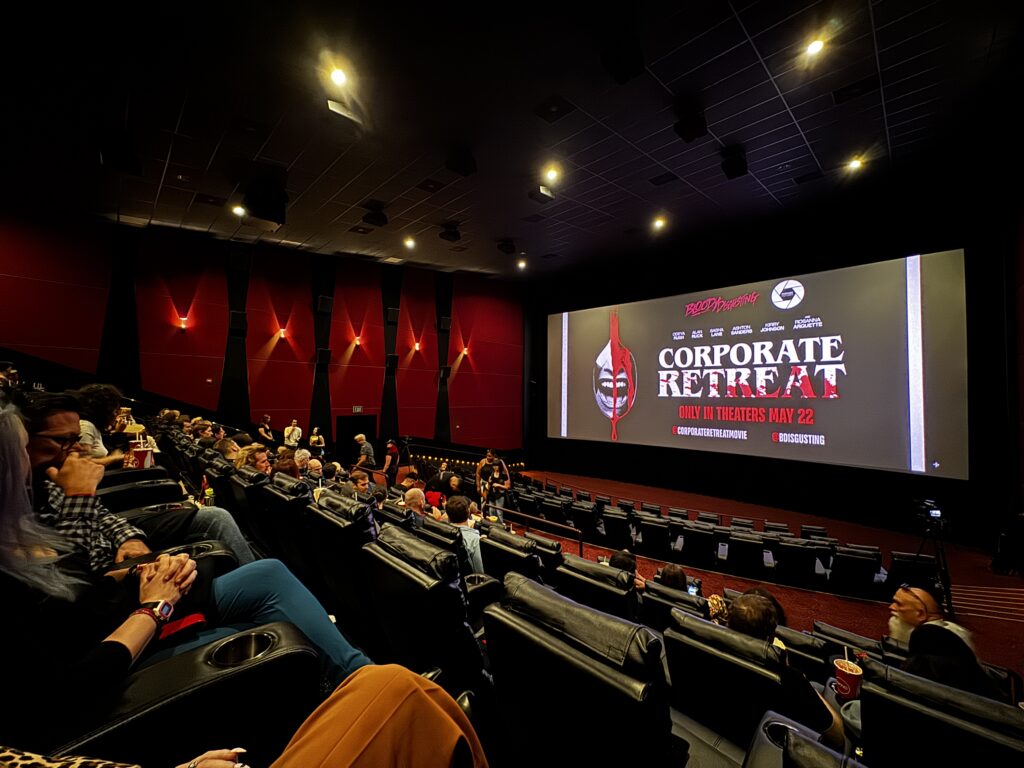
The challenge is knowing which opportunities deserve valuable screen space, who controls the rights, and how to secure the booking before demand has already passed.
A repertory title that performs well in one market may struggle in another. An anime event that sells out in one community may generate little interest elsewhere. A documentary receiving national attention may not translate into meaningful local attendance.
A strong film buyer has real-time insight into what audiences are actually responding to, often before the broader marketplace catches on.
Audience Demand Is Moving Faster
We are seeing a major shift in content consumption, particularly with Gen Z audiences, where influencers, digital creators, and online communities are increasingly driving awareness and ticket sales. Traditional marketing alone is no longer what opens every film. Audience connection and online engagement matter more than ever.
An experienced film buyer stays close to these trends and understands which projects are building momentum online long before release. He knows what creators have passionate followings, which titles are gaining traction across social platforms, and which films have the potential to overperform in specific markets.
Just as importantly, he has the relationships needed to secure those films for your theater early and position your location to capitalize on emerging audience demand. In today’s marketplace, having access to the right content at the right time can make a significant difference in attendance and overall profitability.
This is where a professional film buyer provides value. Film buyers evaluate opportunities within the context of the entire schedule. They consider how a specialty engagement affects future bookings, whether an alternative-content event creates incremental attendance, and how each decision contributes to the theater’s broader programming strategy.
Data Helps, But It Does Not Replace Experience
Modern film buyers have access to more information than ever.
Weekend grosses are available quickly. Presale activity can be monitored in real time. Forecasting models, audience demographics, historical comparisons, and market analytics all provide useful insight.
But data has not made film buying automatic.
National performance does not always predict local results. A title generating industry excitement may underperform in a specific market, while a smaller release may exceed expectations because it connects with a local audience. Forecasting models can identify patterns, but they cannot fully account for local preferences, competitive conditions, or community-specific behavior.
Film buyers today must also navigate release strategies that are less predictable than they were before the pandemic. Release patterns are changing daily. Early Access screening programs are limited to Premium Large Format theaters only and in select locations. Independent theaters are often left out of these opportunities.
The best film buyers use data while recognizing its limits. Effective film buying requires knowing how national trends intersect with local audience behavior, distributor strategy, and the realities of each theater.
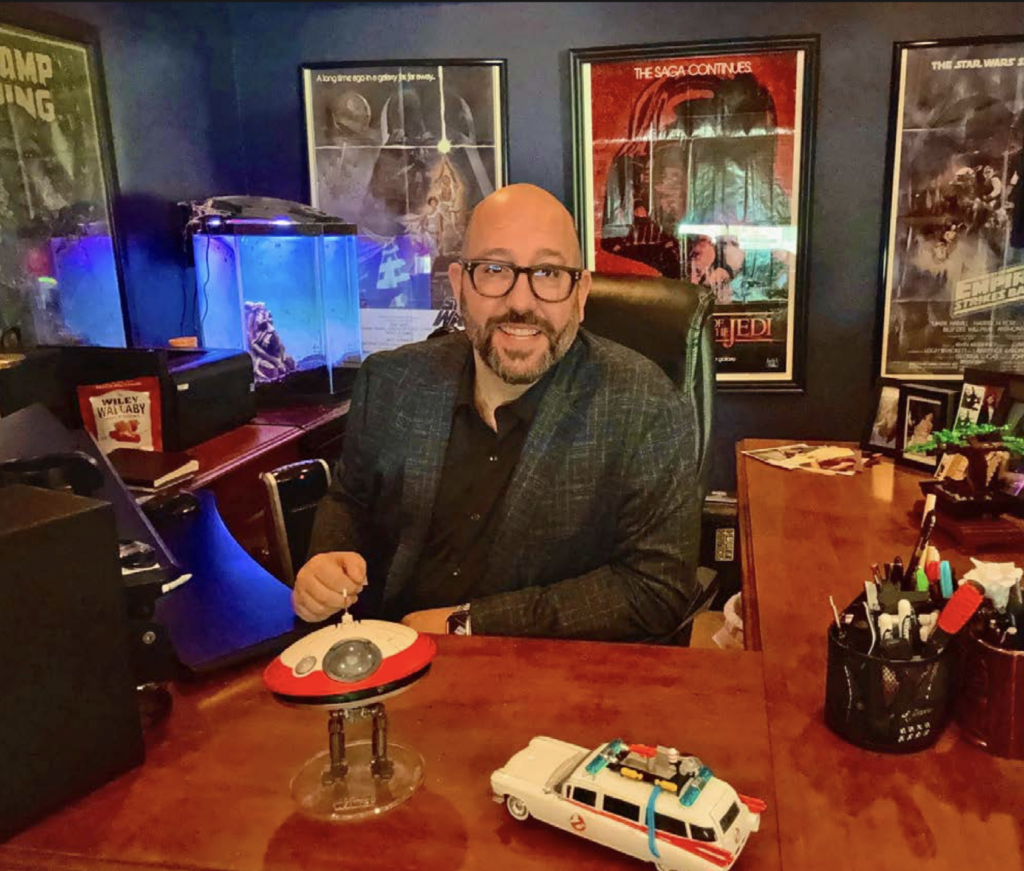
A good film buyer attends trade screenings with the theater in mind, evaluating whether a film fits the market, what its grossing potential may be, how it could be marketed to the audience, and whether the industry hype is likely to translate into actual attendance.
Why Professional Film Buyers Matter
Independent theaters have always succeeded by understanding their audiences. Theater owners know their communities, recognize local preferences, and understand what motivates people to leave home and spend an evening at the movies.
A professional film buyer does not replace that local knowledge. He strengthens it with broader market awareness, programming expertise, long-standing distributor relationships, skilled negotiation, and a disciplined approach to strategic scheduling.
Small Decisions Create Financial Impact
For independent theaters, the financial impact of professional film buying is often found in the accumulation of small decisions: better terms, smarter holdovers, stronger scheduling, fewer wasted showtimes, and more disciplined use of limited screen inventory. A film buyer may not be able to control audience demand, but he can help position each screen to capture as much of that demand as possible.
The role extends far beyond securing bookings. A professional film buyer evaluates opportunities, manages risk, monitors changing market conditions, negotiates with distributors, and develops schedules designed to maximize attendance and revenue throughout the year.
Film buying mattered ten years ago because exhibitors needed someone to evaluate movies.
It’s even more important today because independent theaters need someone who can navigate a complicated marketplace, leverage long-standing distributor relationships, negotiate favorable terms, advocate for the theater’s interests, and turn hundreds of individual decisions into a coherent strategy.
For independent exhibitors, that is the practical value of working with a professional film buyer. It is not about handing over control of the theater’s identity. It is about adding experienced judgment and industry leverage to the local knowledge the theater already has.
The difference between an average schedule and a strong one is rarely a single movie. More often, it comes from small decisions made week after week: which titles to open, which films to hold, which opportunities to pass on, when to negotiate, when to push for flexibility, and when to take a chance.
That is what professional film buyers do.
And in today’s marketplace, those decisions matter more than ever.
Western Film Services provides theatrical booking and distribution support for independent exhibitors and filmmakers. To learn more about how we help theaters build stronger weekly schedules, visit our Theatrical Booking page or contact us directly.